High Burst Fade The Ultimate Guide In This Modern Era
In the ever-evolving world of men’s grooming, certain trends manage to bridge the gap between classic barbering techniques and modern, edgy aesthetics. One such style that has taken the world by storm is the high burst fad. Known for its distinctive semi-circular shape and bold profile, the high burst fade offers a unique alternative to traditional tapers and drop fades. Whether you are looking to revitalize your current look or are searching for a versatile haircut that works with various hair textures, this comprehensive guide will explore everything you need to know about the high burst fad.
What is a High Burst Fade?
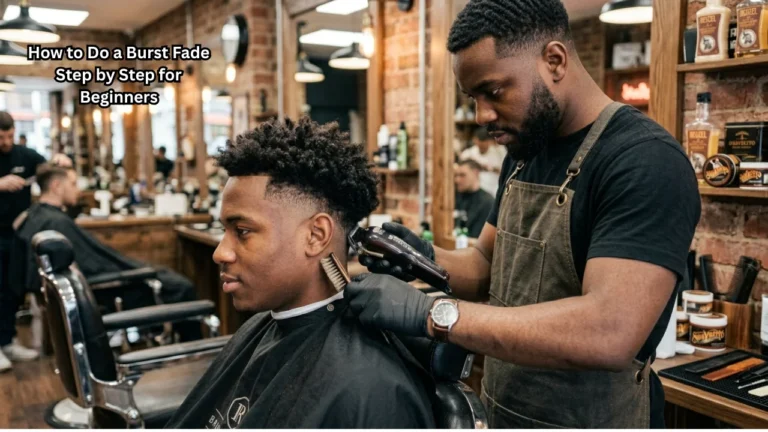
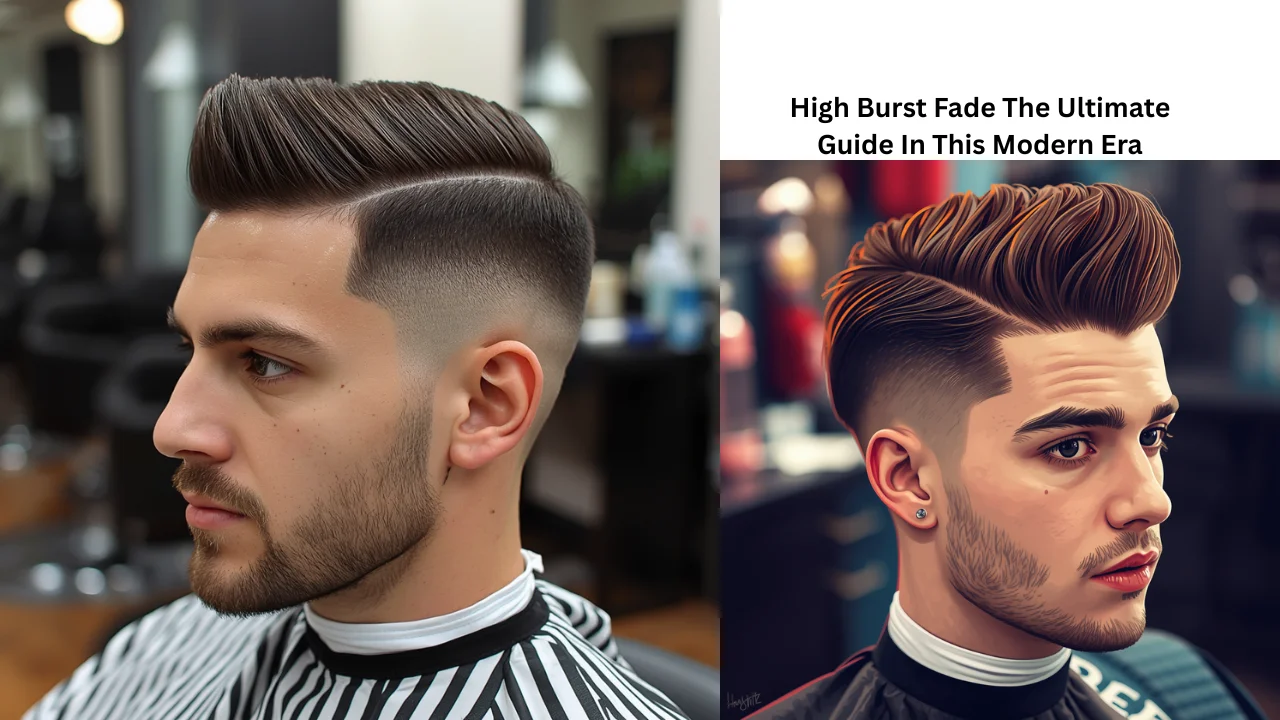
The burst fade, in its essence, is a haircut that fades the hair in a circular pattern around the ear. Unlike a traditional fade that goes straight across the back and sides of the head, the burst fade “bursts” from the ear, leaving the hair longer at the nape of the neck and on top.
A high fad specifically positions the starting point of the fade higher up on the temples and extends further toward the crown. This creates a sharper contrast between the skin and the hair on top. It is often characterized by a tight, clean blend that curves behind the ear, making it a favourite for those who want to highlight a mohawk, a mullet, or a voluminous top.
Must Check Out: Mid Burst Fade Haircut Guide
Technical Anatomy
To understand why the high burst fad looks so distinct, one must look at the technical execution performed by a professional barber. The process involves several key components:
- The Focal Point: The center of the “burst” is the ear. The fade radiates outward from this point.
- The Curve: Instead of a horizontal line, the barber creates a crescent-shaped transition. In a high version, this curve reaches closer to the top of the head.
- The Nape: Unlike a high skin fade where the back is entirely shaved or faded short, a high fade leaves the hair at the nape of the neck intact. This allows for the popular “Southside” look or the modern “fade mullet.”
- The Blend: Achieving a seamless transition from skin to hair requires precise clipper work, often moving through several guard sizes (from 0 to 2 or 3) within a very small surface area.
Popular Variations
One of the reasons for the high fade’s surge in popularity is its incredible versatility. It can be paired with almost any hairstyle on top. Here are some of the most trending combinations:
1. High Fade Mohawk (Frohawk)
This is perhaps the most iconic pairing. For individuals with textured or coily hair, the high fade creates a “Frohawk” look. The high fade on the sides makes the central strip of hair stand out, providing a bold and athletic appearance popular among professional athletes and musicians.
2. High Burst Fad Mullet
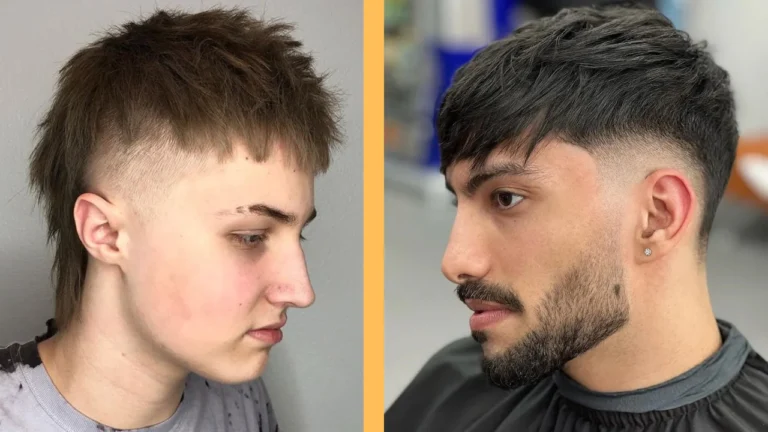
The modern mullet has seen a massive resurgence, and the high fade is the perfect companion for it. By fading the sides high around the ear and leaving the back long, you create a sharp, edgy transition that updates the 80s classic for the 21st century.
3. Straight Hair High Fade
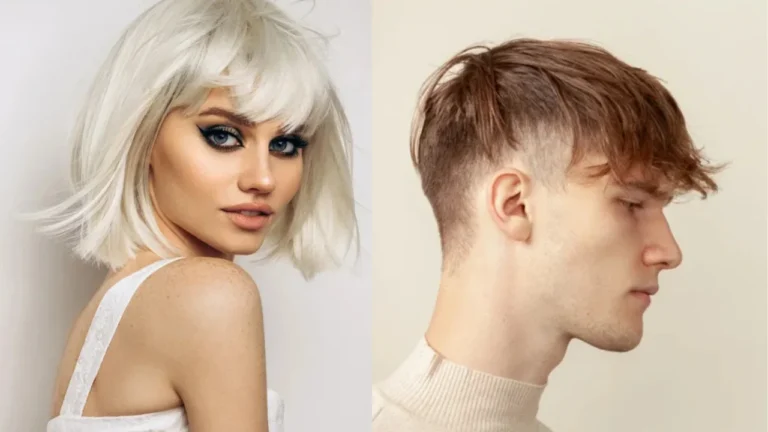
Even if you don’t have curls, you can rock this look. A textured crop or a messy fringe on top paired with a high burst fade offers a clean, European-inspired aesthetic. The contrast between the short sides and the messy, voluminous top creates a balanced, stylish profile.
4. High Burst Fad with Braids
For those with longer protective styles like braids or locs, a high fade adds a level of intentionality and neatness. It cleans up the hairline and sideburns, ensuring that the focus remains on the intricate work of the braids while keeping the overall look fresh.
Choosing the Right Hair Texture
- Coily and Curly Hair: This texture holds the shape of a burst fade exceptionally well. The natural volume of the hair provides a stark contrast against the faded skin, making the “burst” effect very prominent.
- Wavy Hair: Wavy hair offers a softer look. A high burst fad can help manage bulk on the sides, making it easier to style the waves on top with pomade or sea salt spray.
- Straight Hair: On straight hair, the blend must be impeccable. Because straight hair lies flat, any imperfections in the fade will be visible. Barbers often use thinning shears to ensure the transition is smooth.
How to Ask Your Barber
Communication is key when sitting in the barber’s chair. To ensure you get exactly what you want, follow these tips:
- Bring Photos: A picture is worth a thousand words. Show your barber specifically where you want the fade to peak.
- Specify the Height: Use the term “High Burst Fade” and clarify that you want the fade to extend toward the crown.
- Define the Back: Do you want a mullet look, or do you want the nape tapered? Make sure to specify that the back should remain longer than the sides.
- Discuss the Top: Decide on the length for the top. Whether you want a buzz cut, a mohawk, or a pompadour, the top length will dictate the overall balance of the haircut.
Maintenance
A high burst fad is a high-maintenance haircut. Because the fade is so close to the skin, even a few days of hair growth can start to blur the sharp lines. To keep it looking crisp:
- Visit the Barber Regularly: For a fresh look, you will likely need a touch-up every 1.5 to 2 weeks.
- Edge Maintenance: If you are comfortable with trimmers, you can carefully clean up your sideburns and the area around your ears at home, but be careful not to ruin the blend.
- Scalp Health: Since a high fade exposes more skin, ensure you are moisturizing your scalp. Use a light oil or a dedicated scalp moisturizer to prevent dryness and flaking.
- Styling Products: Use a high-quality pomade, clay, or curl cream depending on your top hair texture. Matte clays work best for textured crops, while curl enhancers are essential for mohawks and afros.
Face Shapes and Suitability
- Oval Faces: Most styles work here, but the high burst fad adds a nice structural element to the sides.
- Round Faces: The high fade can help elongate the face by removing bulk from the sides and adding height on top.
- Square Faces: The curved nature of the burst fade can soften the sharp angles of a square jawline, creating a more harmonious look.
- Long/Oblong Faces: Be cautious with how much height you add on top. A high burst fad with a shorter top may be more flattering to avoid making the face look excessively long.
Cultural Impact
The burst fade isn’t just a trend; it has deep roots in urban culture and the evolution of the Southside fade. It gained massive popularity in the early 2000s and has since been refined into the sleek, artistic version we see today. It represents a shift toward more creative and individualized barbering, where the haircut is treated like a piece of architecture or art.
Common Mistakes to Avoid
When opting for a high burst fad, avoid these common pitfalls:
- Going Too High: If the fade goes too far into the top section, it can look like a botched mohawk. Ensure the barber respects the parietal ridge.
- Ignoring the Beard: If you have facial hair, the fade should transition smoothly into your beard. A disconnected beard with a fade can sometimes look disjointed if not executed with a proper taper.
- Poor Product Choice: Using heavy, greasy products on a high burst fad can make the hair look flat, ruining the “bursting” silhouette. opt for lightweight, high-hold products.
Must Check Out: burst fade design Haircut Guide
Conclusion
The high burst fade is a testament to the creativity of modern barbering. It is bold, stylish, and remarkably adaptable to different hair types and personal preferences. By choosing the right variation and maintaining it with regular visits to the barber, you can achieve a look that is both professional and cutting-edge. Whether you’re heading to the office or the gym, the high burst fad ensures you look sharp, confident, and ahead of the style curve.